School ERP: The Complete Guide to the Best School Management System in 2026
In today’s fast-changing education sector, School ERP systems (Enterprise Resource Planning for Schools) have become one of the most essential digital solutions for modern educational institutions.
Schools can no longer rely on traditional paper-based or fragmented systems for managing students, fees, schedules, and communication. Instead, adopting a School Management System (School ERP Software) is now a necessity to improve efficiency, accuracy, and overall performance.
This complete guide explains everything you need to know about School ERP systems, including features, benefits, components, pricing, and how they support full digital transformation in education.
What is a School ERP System?
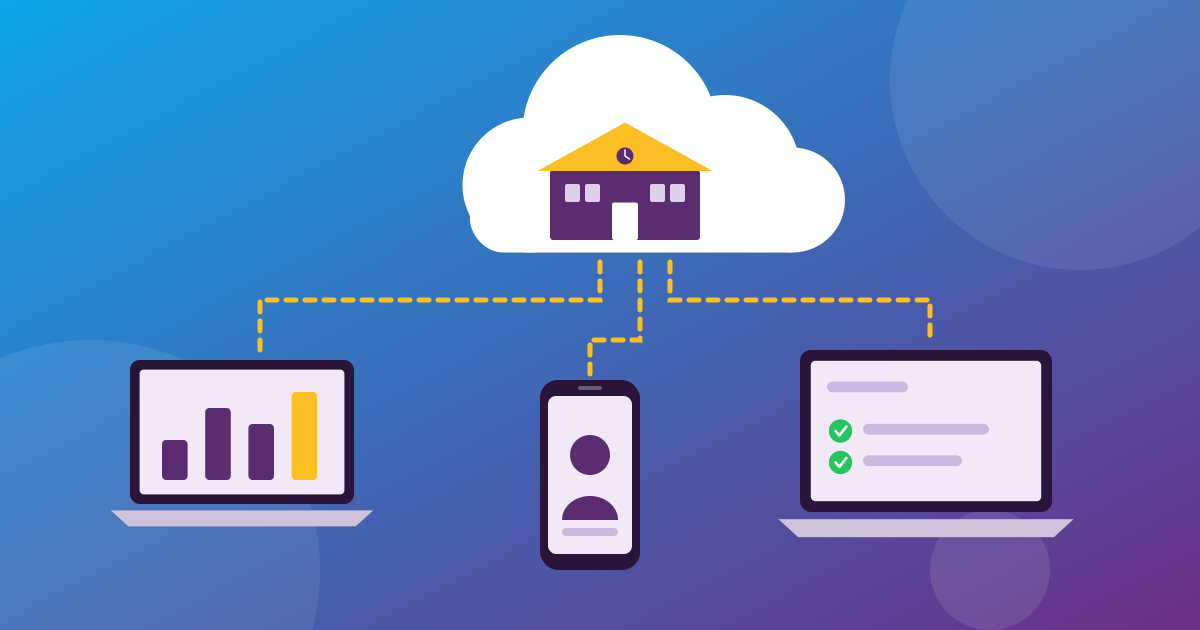
A School ERP (Enterprise Resource Planning system for education) is a centralized digital platform designed to manage all school operations in one integrated system.
It is also known as:
- School Management System
- School ERP Software
- Cloud-based School Management System
It typically manages:
- Student information
- Teachers and staff
- Fee and financial management
- Attendance tracking
- Timetables and scheduling
- Exams and results
- Parent communication
- Reports and analytics
Instead of using multiple disconnected systems, School ERP integrates everything into one unified platform.
Why Do Schools Need a School ERP System?
Many schools face daily operational challenges such as:
- Manual data errors
- Delayed fee collection
- Poor attendance tracking
- Weak communication with parents
- Inefficient timetable management
- Lack of accurate reporting
This is where a School ERP system becomes essential, transforming traditional administration into a smart, data-driven, automated system.
Key Benefits of School ERP Systems
1. Centralized School Management
All school data is stored in one system, accessible anytime and anywhere.
2. Time and Effort Saving
Automates repetitive administrative tasks, improving productivity.
3. Reduced Human Errors
Integrated systems significantly reduce accounting and administrative mistakes.
4. Better Parent Communication
Instant notifications about:
- Attendance
- Fees
- Exam results
- Important alerts
5. Real-Time Reporting
Generate instant reports on:
- Student performance
- Financial data
- Staff performance
- Operational insights
6. Improved Education Quality
Efficient administration leads to better learning experiences.
Core Components of a School ERP System
Student Management System
Includes:
- Student registration
- Academic records
- Attendance tracking
- Performance history
Fee Management System
Includes:
- Invoice generation
- Payment tracking
- Installments and dues
- Digital receipts
Staff and Teacher Management
Includes:
- Attendance and leaves
- Payroll management
- Scheduling
- Performance evaluation
Timetable Management
Automatically creates optimized schedules without conflicts.
Exams and Results Management
- Grade entry
- Result publishing
- Certificate generation
- Performance analytics
Parent App
Allows parents to monitor:
- Attendance
- Homework
- Results
- Notifications
- Fee status
Business Benefits of School ERP Systems
1. Increased Revenue Efficiency
Improves fee collection and reduces financial leakage.
2. Better Operational Control
Reduces dependency on manual staff processes.
3. Stronger School Reputation
Digitally advanced schools attract more parents and students.
4. Lower Operational Costs
Reduces paper usage, manual labor, and administrative overhead.
Difference Between School ERP and Traditional Systems
The difference between a School ERP system (modern School Management System) and traditional school administration methods is significant. While School ERP relies on digital transformation and full integration, traditional systems depend on manual work and separate tools that often lead to inefficiency and data fragmentation.
1. Level of Integration
- School ERP: A fully integrated system that connects all departments such as students, finance, attendance, exams, timetables, and staff management in one platform.
- Traditional Systems: Each department works separately using different tools, spreadsheets, or paper-based records, leading to scattered and inconsistent data.
2. Speed of Operations
- School ERP: Processes are automated and executed instantly, saving time and effort.
- Traditional Systems: Rely heavily on manual work, which slows down daily administrative tasks.
3. Accuracy and Error Reduction
- School ERP: Minimizes human errors through automated data synchronization across all departments.
- Traditional Systems: More prone to mistakes due to manual data entry and repeated handling of information.
4. Reporting and Analytics
- School ERP: Provides real-time reports and advanced analytics to support quick and accurate decision-making.
- Traditional Systems: Reports are manually prepared and often take a long time to compile.
5. Data Accessibility
- School ERP: Cloud-based access allows users to manage school data anytime and from anywhere.
- Traditional Systems: Data is usually stored locally and can only be accessed from specific devices or locations.
6. Communication with Parents
- School ERP: Enables instant communication through mobile apps, SMS notifications, and email updates.
- Traditional Systems: Communication is slow and limited, often relying on phone calls or paper notices.
7. Updates and System Development
- School ERP: Regular automatic updates with new features and improvements.
- Traditional Systems: Limited development and often require complete system replacement for upgrades.
A School ERP system represents the natural evolution of traditional school management methods. It provides smarter, faster, and more accurate administration, while traditional systems struggle with delays, inefficiency, and fragmented data.
Who Should Use School ERP Systems?
School ERP systems are ideal for:
- Private schools
- International schools
- Academies
- Nurseries
- Public school modernization projects
Key Features of the Best School ERP Software
When choosing the best School Management System, ensure it includes:
- Easy-to-use interface
- Multi-language support (especially English & Arabic)
- Cloud-based access
- Mobile applications
- Strong technical support
- Automatic backups
- Role-based access control
How to Choose the Best School ERP System
1. Identify School Requirements
Number of students, branches, and departments.
2. Request a Free Demo
Testing helps evaluate usability.
3. Compare Pricing Plans
Focus on value, not just cost.
4. Evaluate Customer Support
Reliable support is critical for long-term success.
5. Check Reviews and Case Studies
Is School ERP Suitable for Small Schools?
Yes, and in fact, it is extremely beneficial because it:
- Reduces staffing needs
- Improves organization
- Enhances professionalism
- Supports scalable growth
School ERP Pricing
Pricing depends on:
- Number of students
- Number of branches
- Features required
- Mobile application availability
- Cloud or on-premise deployment
Most systems are offered as:
- Monthly subscription
- Annual subscription
Why Cloud-Based School ERP Systems Are Better
A Cloud School ERP offers:
- Access from anywhere
- Automatic updates
- Higher security
- Lower infrastructure costs
- No need for physical servers
How School ERP Improves Parent Communication
Modern School ERP systems provide:
- SMS notifications
- Mobile app alerts
- Email updates
- Real-time attendance tracking
- Academic progress reports
School ERP and Digital Transformation in Education
Digital transformation is no longer optional. Schools that fail to adopt modern systems may face:
- Lower efficiency
- Poor competitiveness
- Operational delays
Schools using ERP systems are better prepared for the future of education.
Challenges of Implementing School ERP
Some common challenges include:
- Resistance to change
- Staff training requirements
- Initial data migration
However, these challenges are temporary compared to long-term benefits.
Steps to Successfully Implement School ERP
- Requirement analysis
- System selection
- Configuration setup
- Staff training
- Full deployment
- Continuous improvement
Is School ERP Secure?
Yes, when properly implemented, it includes:
- Data encryption
- Regular backups
- User access control
- Activity monitoring
Success Indicators After ERP Implementation
Schools typically experience:
- Faster operations
- Reduced errors
- Higher parent satisfaction
- Better financial control
- Improved organization
Future of School ERP Systems
The future includes:
- Artificial intelligence integration
- Predictive student analytics
- Smart scheduling systems
- Automated administrative workflows
- AI-powered support systems
Why DirectSchool is a Strong Choice
DirectSchool offers:
- Complete student management system
- Financial and fee management
- Parent mobile application
- Advanced reporting tools
- Easy-to-use interface
- Professional technical support
Frequently Asked Questions (FAQ)
What is the best School ERP system?
The best system is one that combines ease of use, strong support, cloud access, and full integration.
Can School ERP be used on mobile?
Yes, through mobile apps or browser access.
Is it suitable for small schools?
Yes, it is highly effective for small and medium schools.
Does it require special hardware?
No, only an internet connection and a computer.
Can it manage multiple branches?
Yes, from a single dashboard.
Conclusion
A School ERP system is no longer just an administrative tool—it is a strategic solution for improving school performance, increasing efficiency, and supporting full digital transformation.
Schools that adopt modern School Management Systems today will be the leaders of tomorrow.
If your school is still using traditional methods, now is the perfect time to upgrade to a smart, cloud-based ERP system and stay ahead in the education sector.